Since Jon (Sukes), Mike and I had such a great time last fall up in Acadia National Park, we were eager to get up there again this season. The opportunity came sooner than we expected, since my family and some friends rented sites at MDI campground for 5 days. My family has made it up to Acadia almost every year I’ve lived in Mass., so meeting them up there for the weekend seemed like a great way to continue that tradition.
Acadia National Park takes up most of Mount Desert Island in the northern corner of Maine. It’s a beautiful place for all sorts of outdoors activity, from hiking, to running, biking, kayaking, canoeing–and it’s all in one spot.
This time it was Jon, Julian and I who made the trip. We hopped in my recently fixed Jeep and started eating up miles. Everything was going smoothly until this happened:
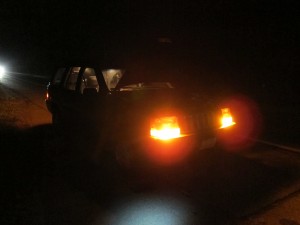
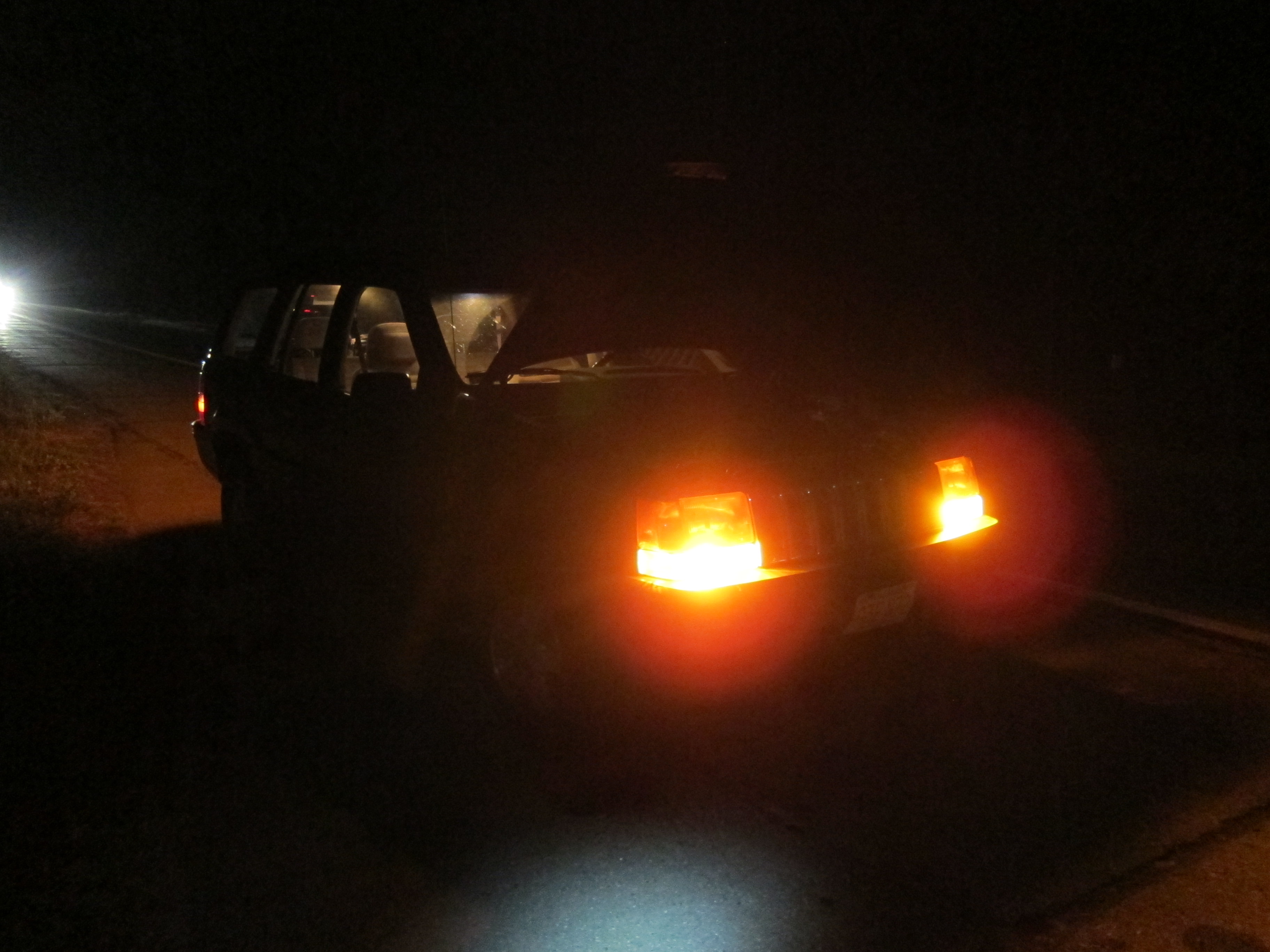
My Jeep, broken down (again?) on 95.
Just our luck, right? The Jeep made it 240 miles without any issue, then failed us only ~40 miles from Acadia. My only solace was that it wasn’t the Crankshaft sensor.
Luckily Jon had AAA and we broke down under 3 miles from Bangor, ME. We could’ve instead ended up miles from any repair shop. We grabbed a hotel for the night and barely made last call at a random bar nearby, which gave us a chance to experience Bangor nightlife (there wasn’t much).
Stretching our legs
The mechanics at ViP opened at 7 and made quick work on the repair. A tensioner pulley had sheared clean off and gotten my serpentine belt all tangled up inside. Not cool, Jeep.
We got on the road again by about noon, made it to the island, got our park pass, put together a hike, and were on the trail near the Jordan Pond House by 3ish.
The weather had been a bit wet the night before, so we figured Sunday would be the better day to climb.
In fact, things were just clearing up, and as we began our hike on the Jordan Cliffs Trail, the fog lifted and the sky began to clear. It was turning into a great afternoon!
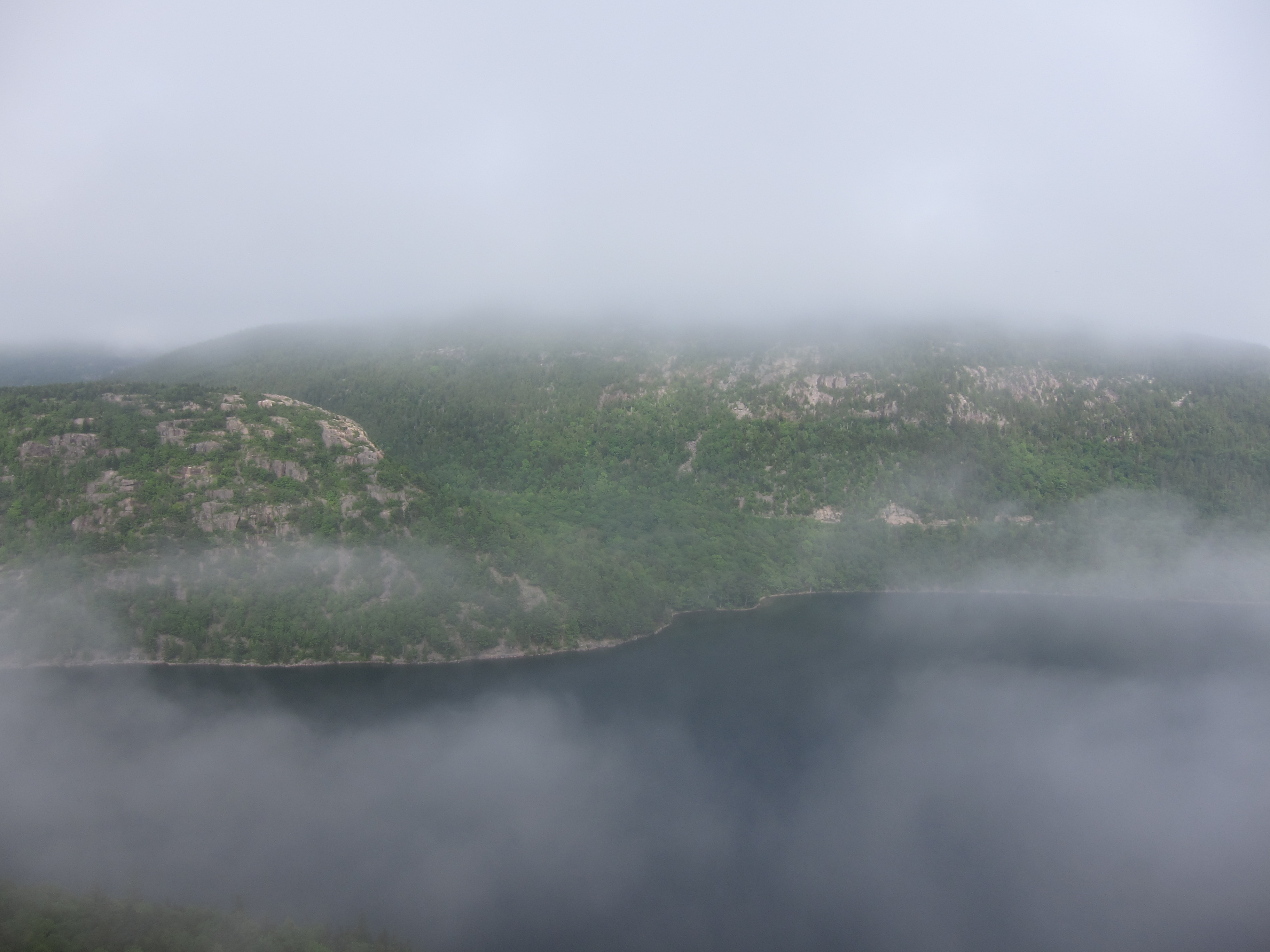
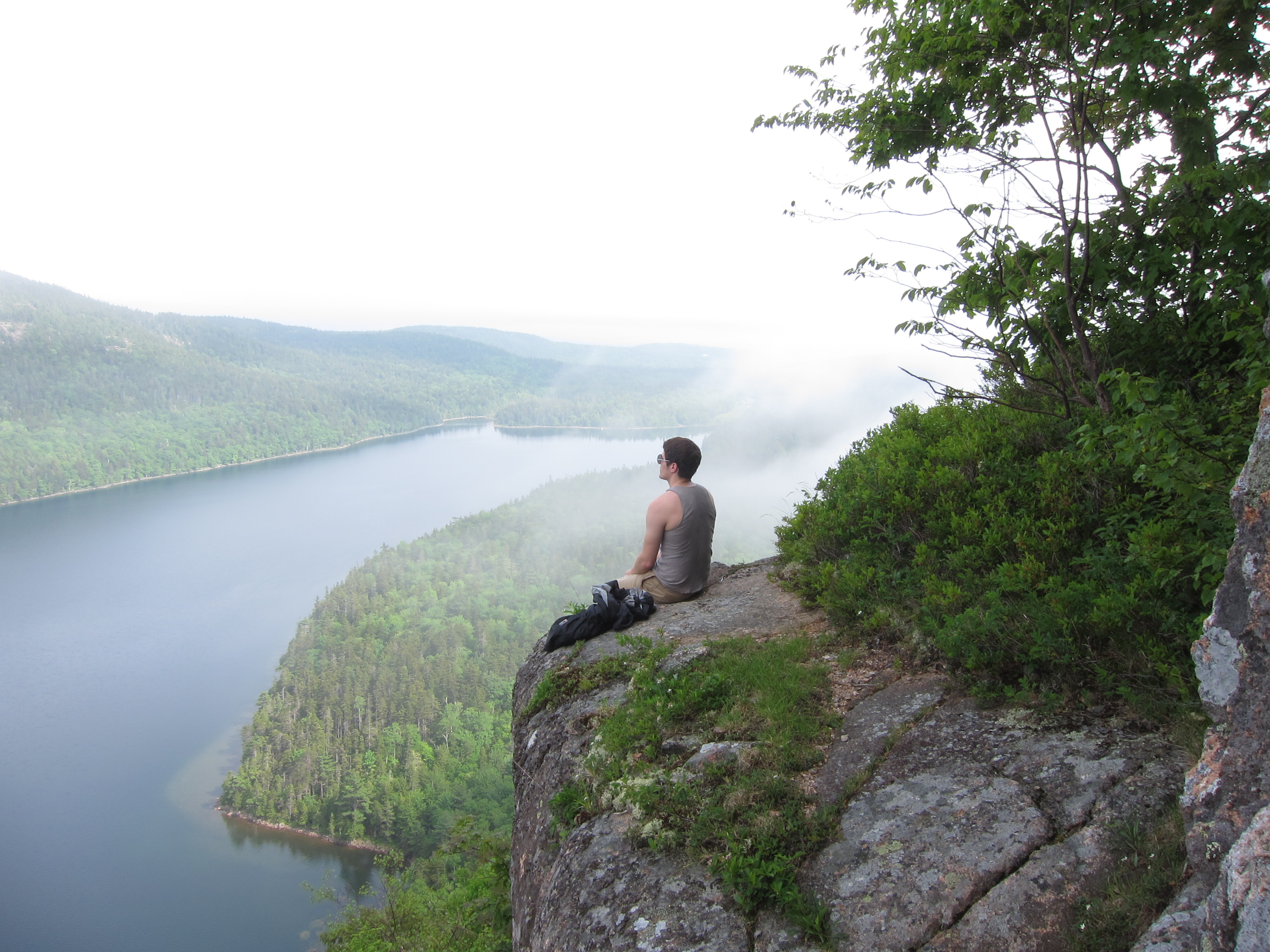
Looking down at the fog on Jordan Pond. All photos credit Jon, since his camera is way better than mine.
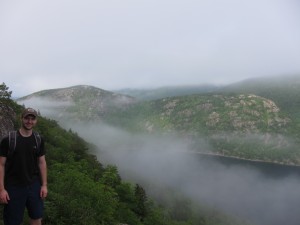
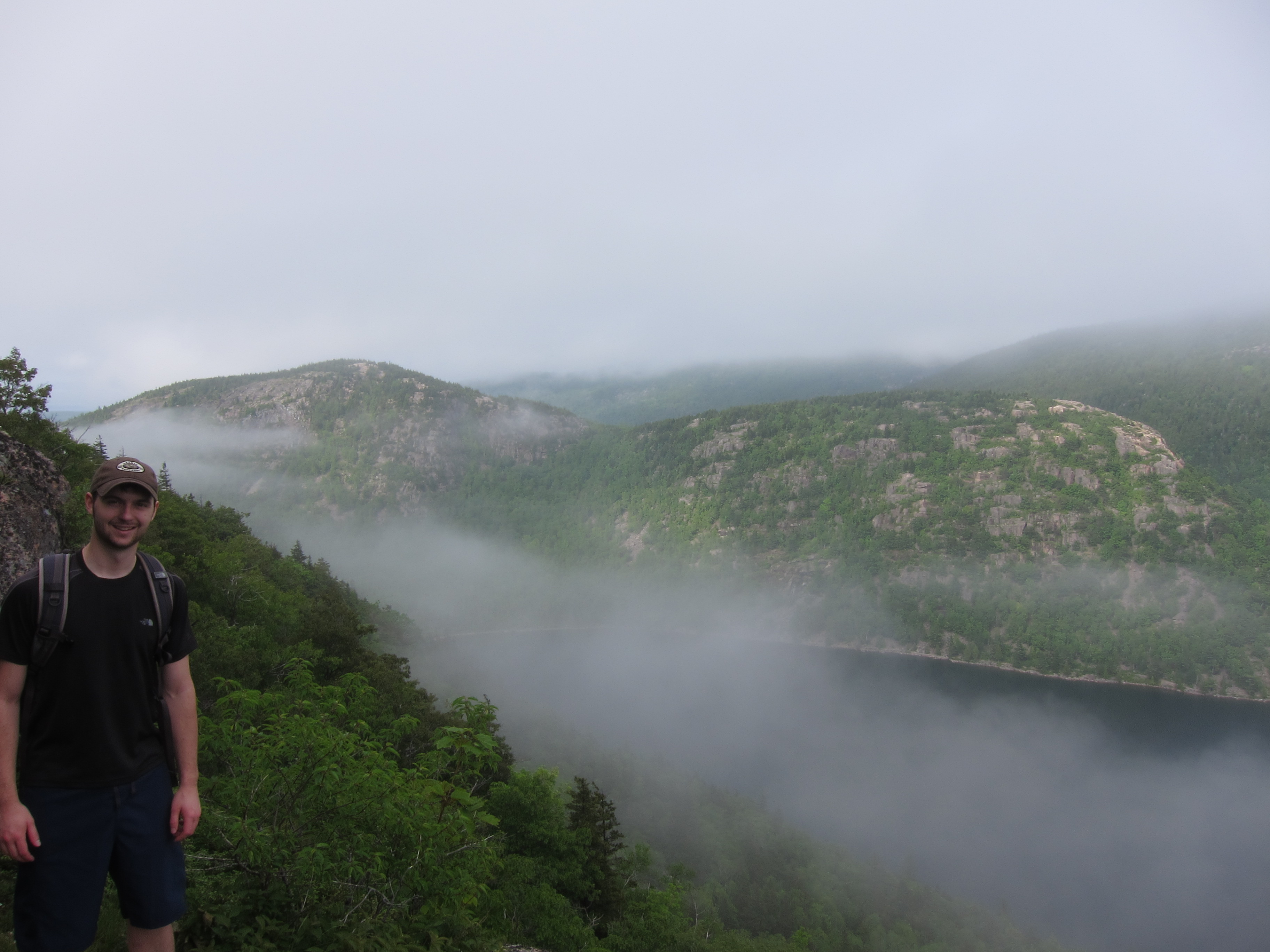
I asked Jon to get a photo of me and the cliffside. I think the pond was more interesting.
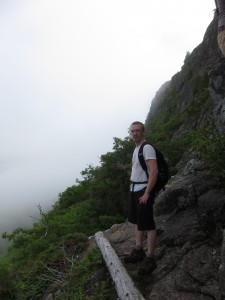
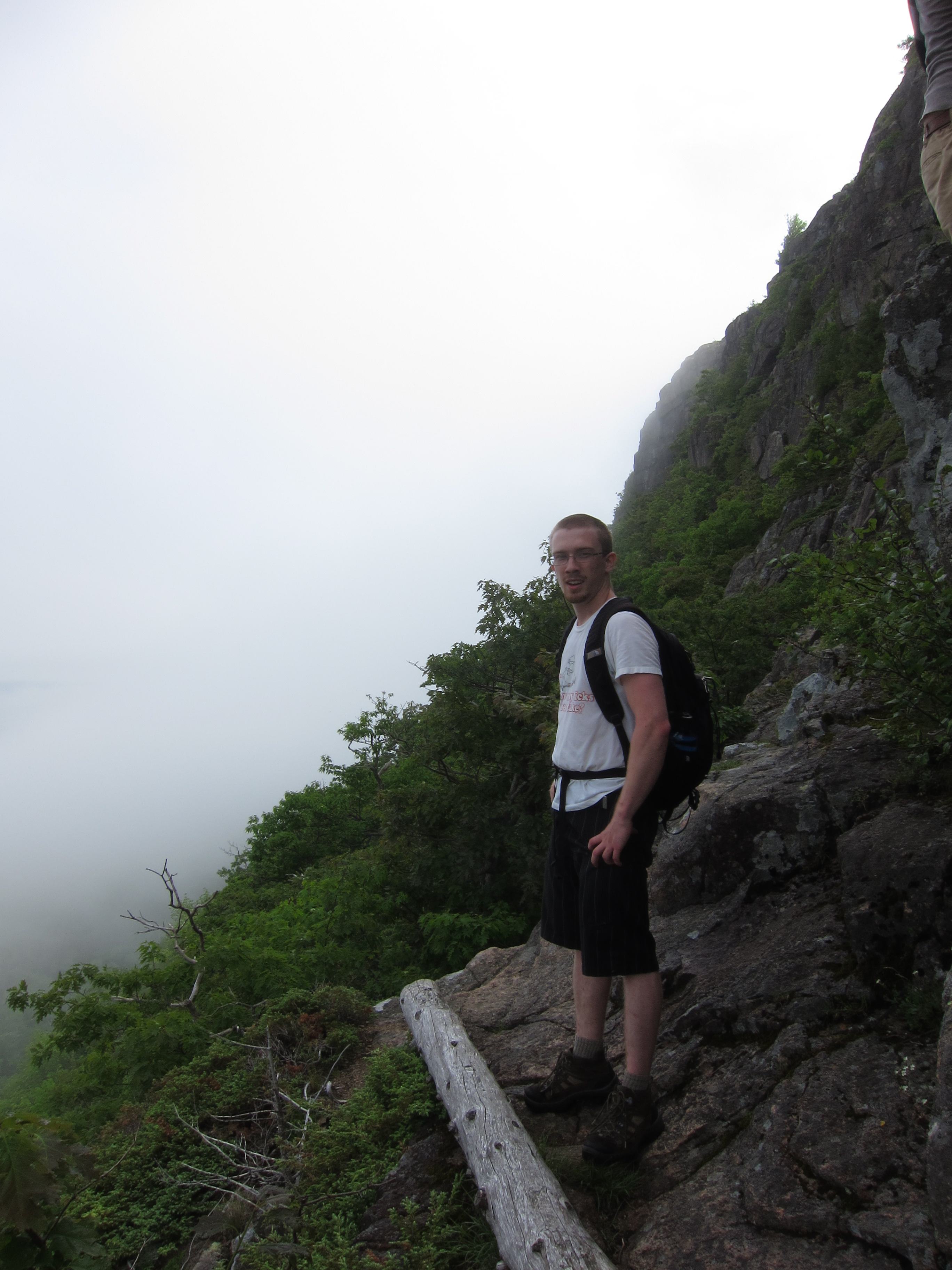
Sukes on the trail.
From my experience, the Jordan Cliffs Trail is one of the more strenuous hikes in the park. I’d kind of forgotten that the trail actually was directly on the cliff-side–one of the reasons I love Acadia hikes. In some places, one misstep could send you off the edge.

Julian taking in the view
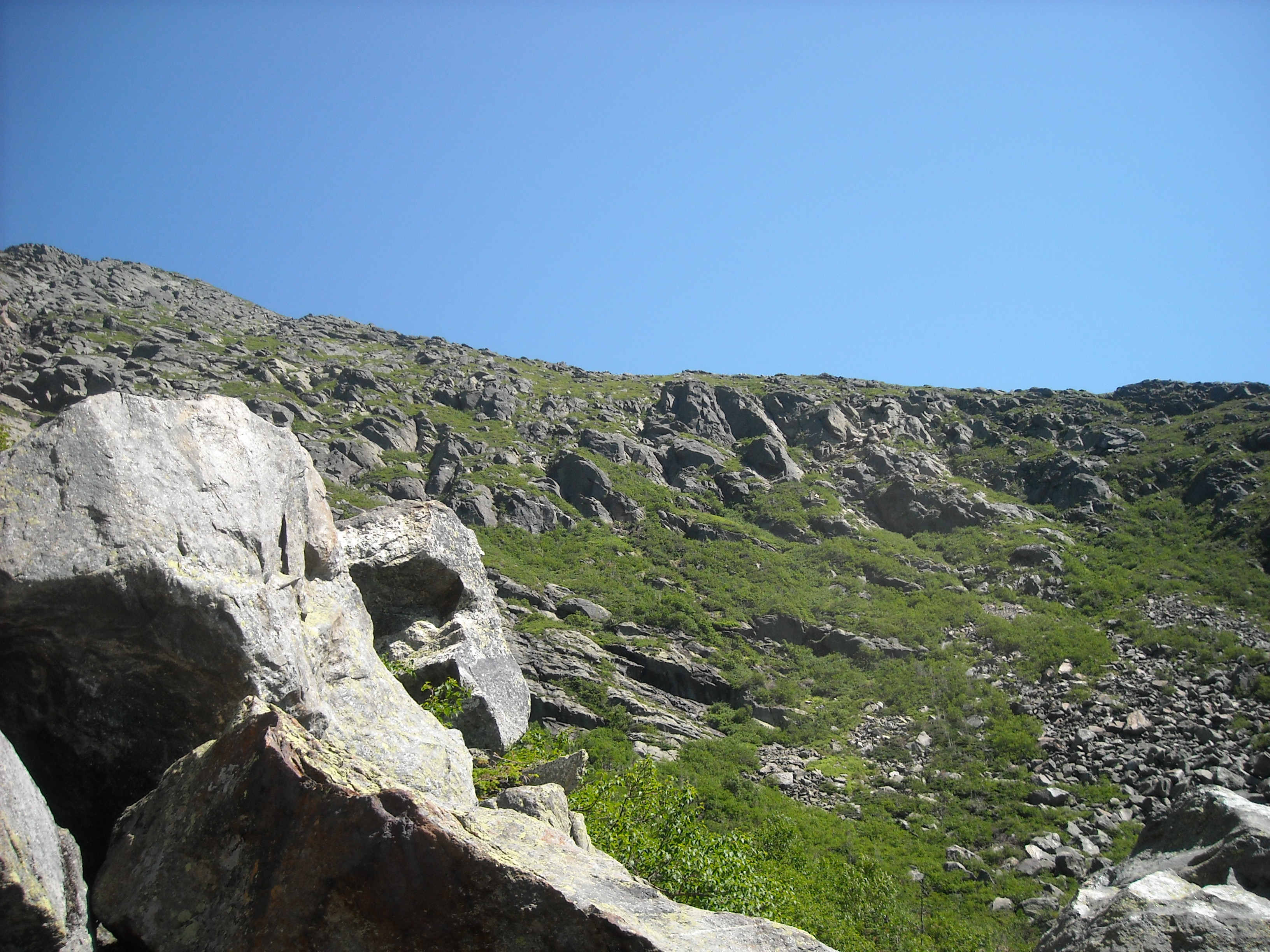
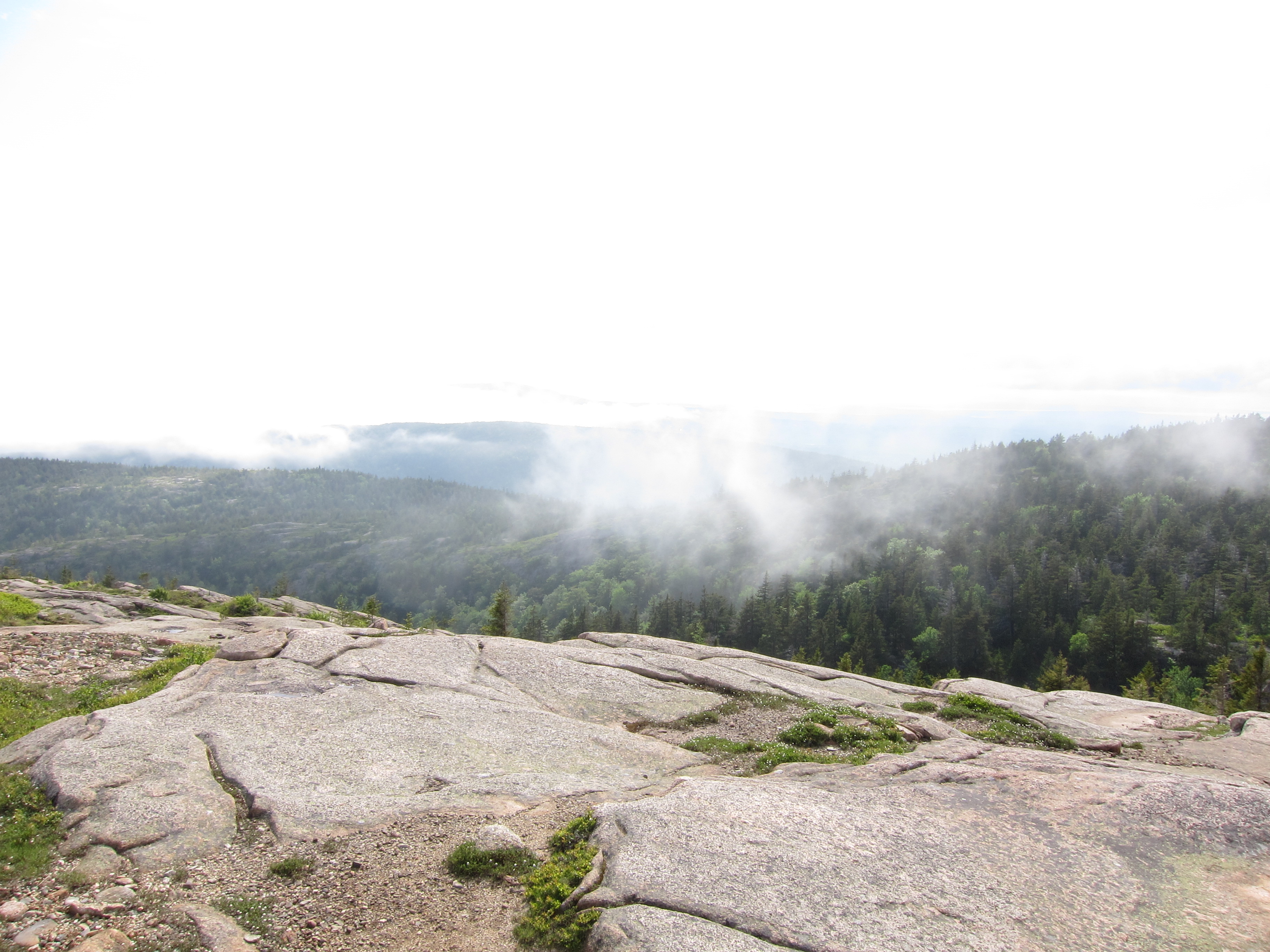
As we neared the summit of Penobscot, at 1194′, the last of the clouds were lifting.
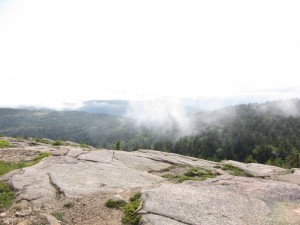
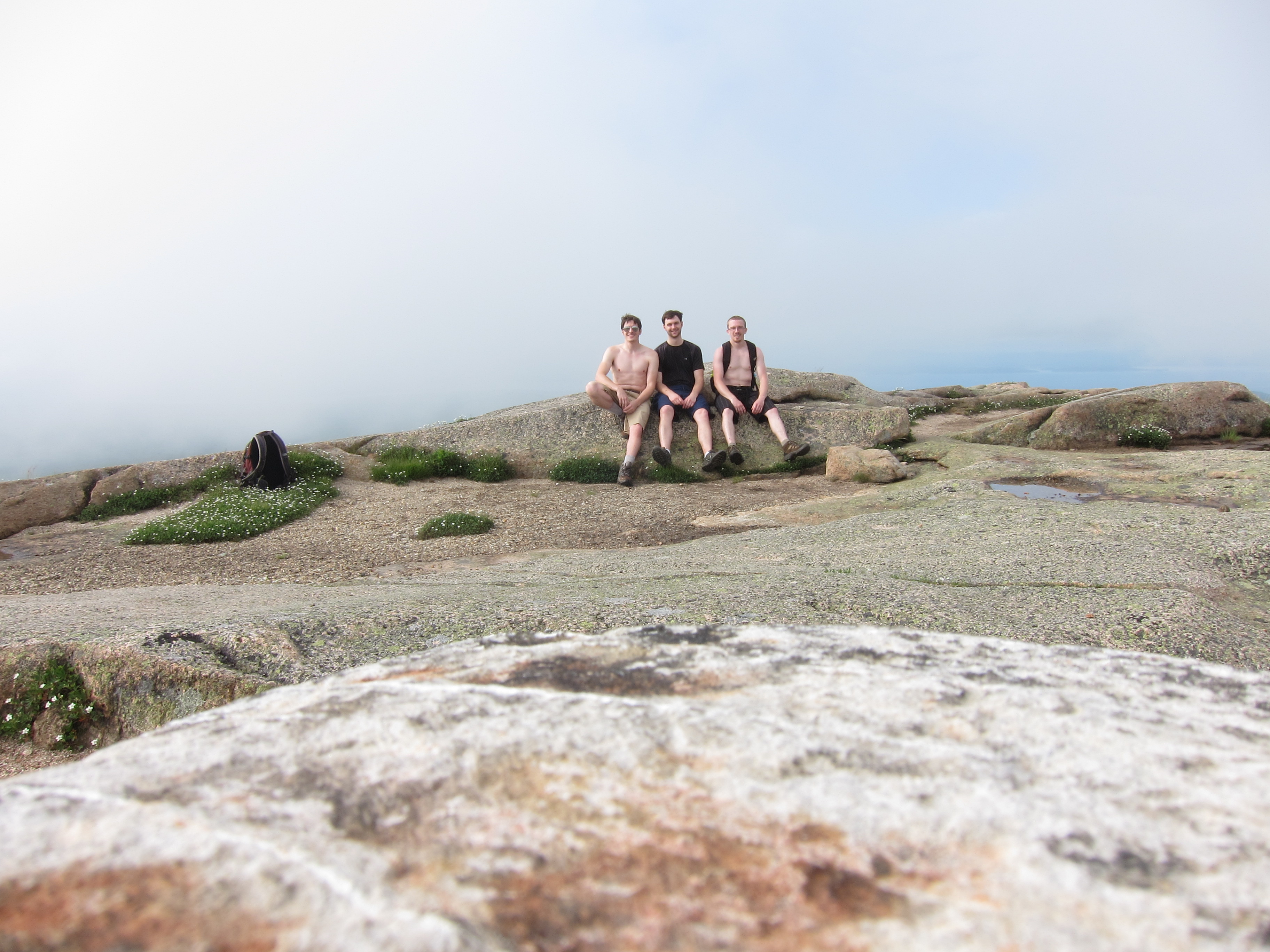
The top of Penobscot, lots of granite and wisps of clouds
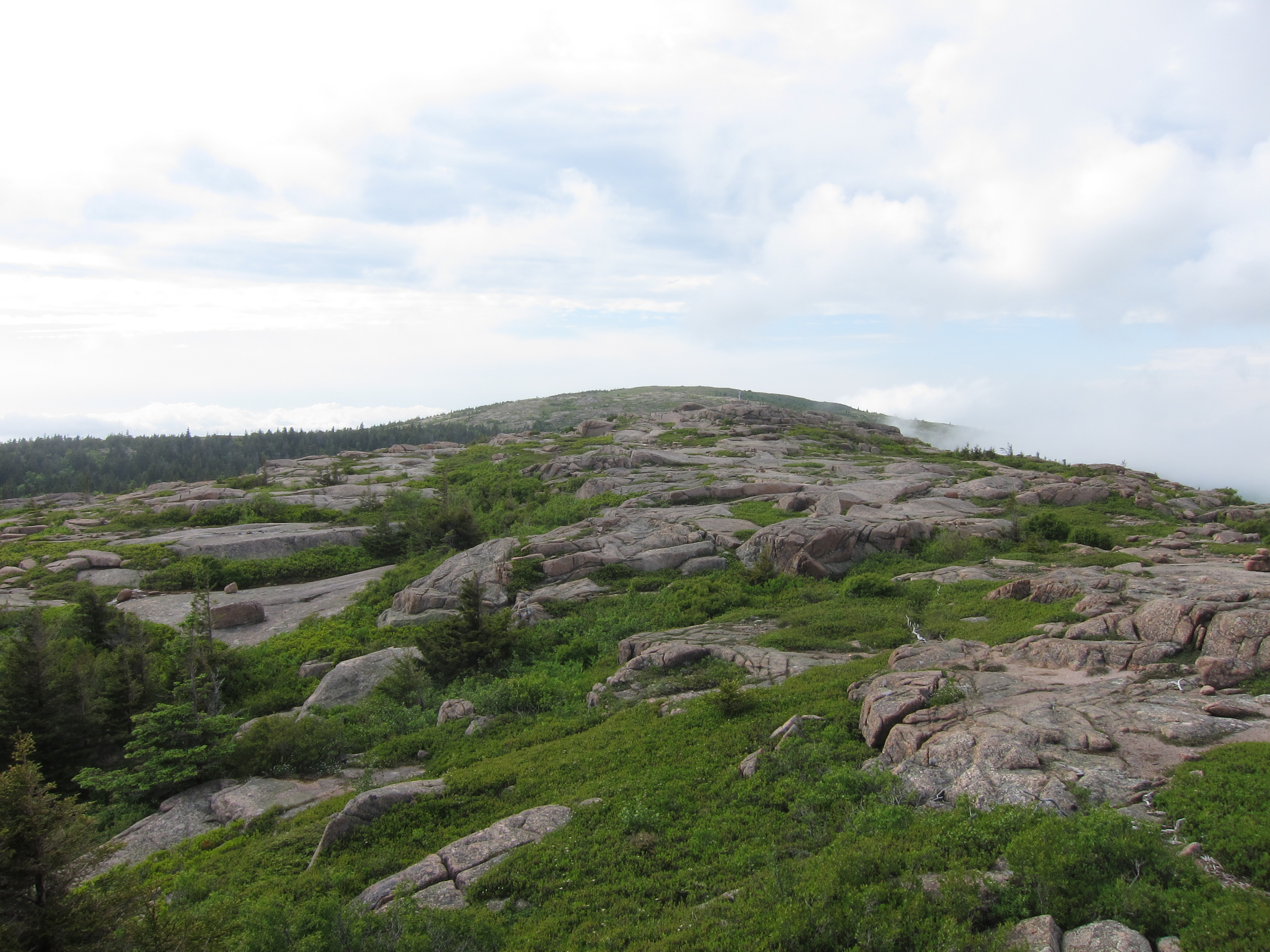
We ran around on top of the peak for awhile, and then Sargent Mountain emerged to the north. I convinced my friends to do a link-up over to Sargent, and we set off.
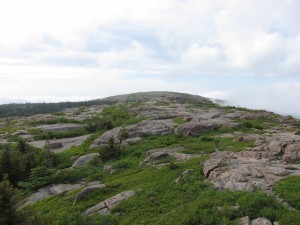
Approach of Sargent, which was much greener.
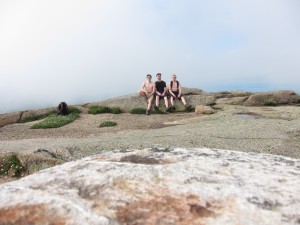
On top of Sargent at 1373′
From Sargent we made a quick descent via another cliff trail, which put us at the opposite edge of Jordan Pond. We walked back right along the pond’s edge. All told we had a nice jaunt, I put our mileage at about 6.3 miles in just under 2.5 hours.
At this point we were starving, and the Jordan Pond House wouldn’t seat some sweaty hikers just for pop-overs so close to dinner time. We made our way back to the campground, hitting the grocery store for steak and some delicious local brews on the way.
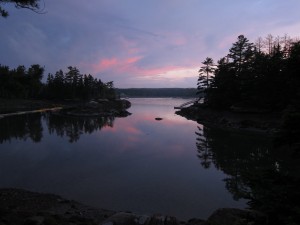
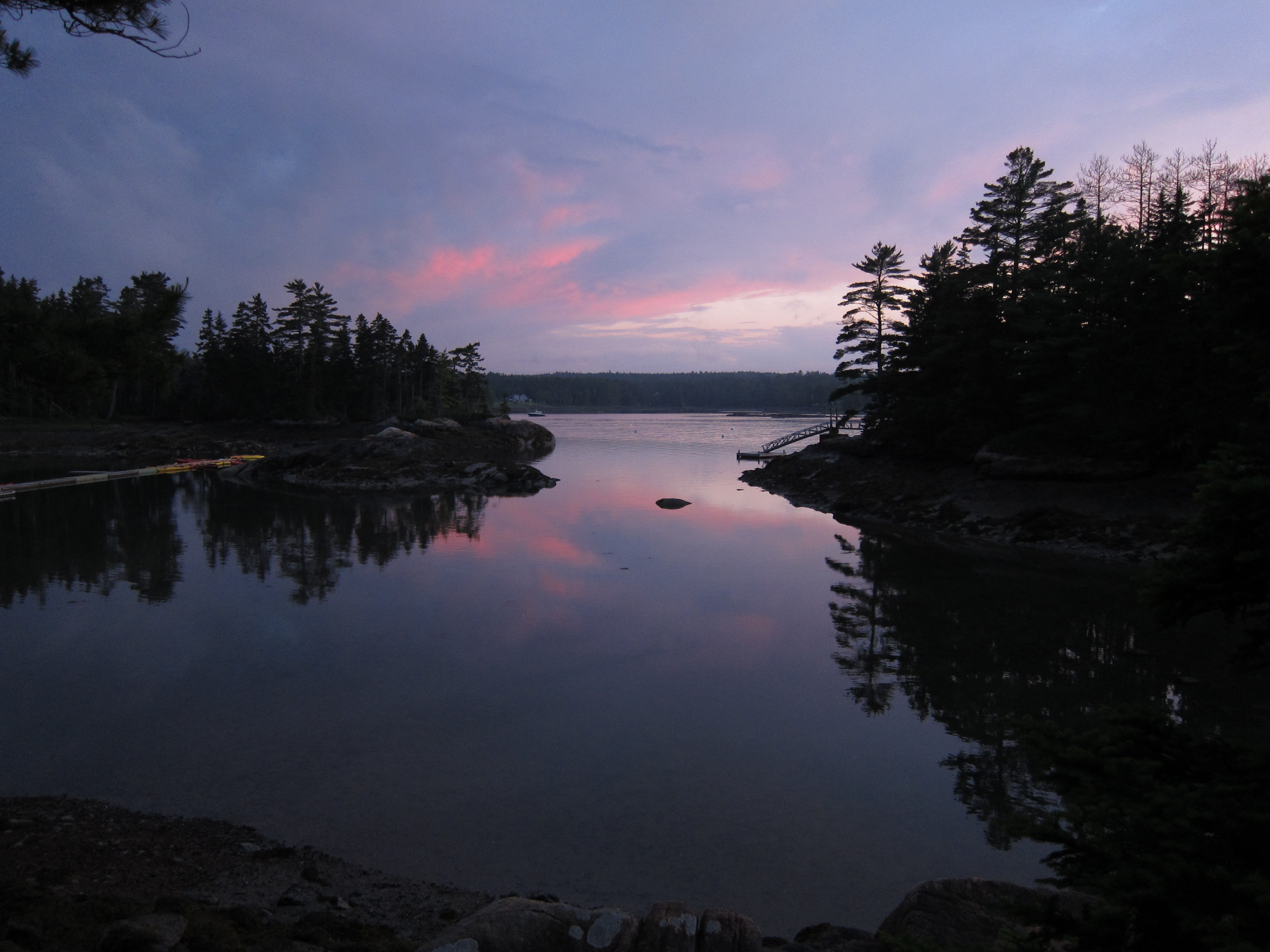
The evening view from our campsite. It was low tide, and my families kayaks are tied up at the dock.
Time to climb
Despite the car trouble, with a few minor issues driving on the island, I found it hard not to have a great time on the island. Literally everywhere you look are great views and exciting things to do.
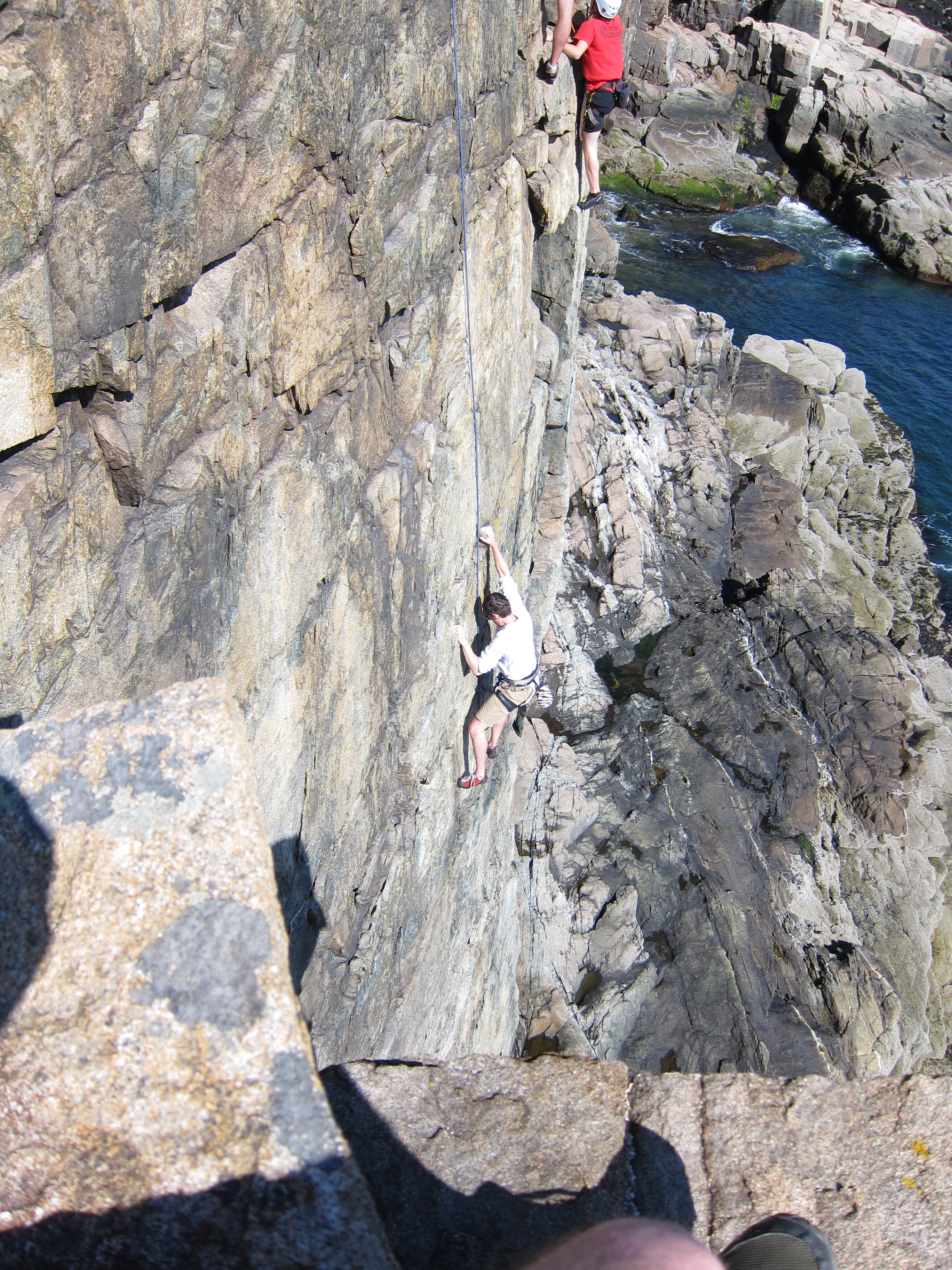
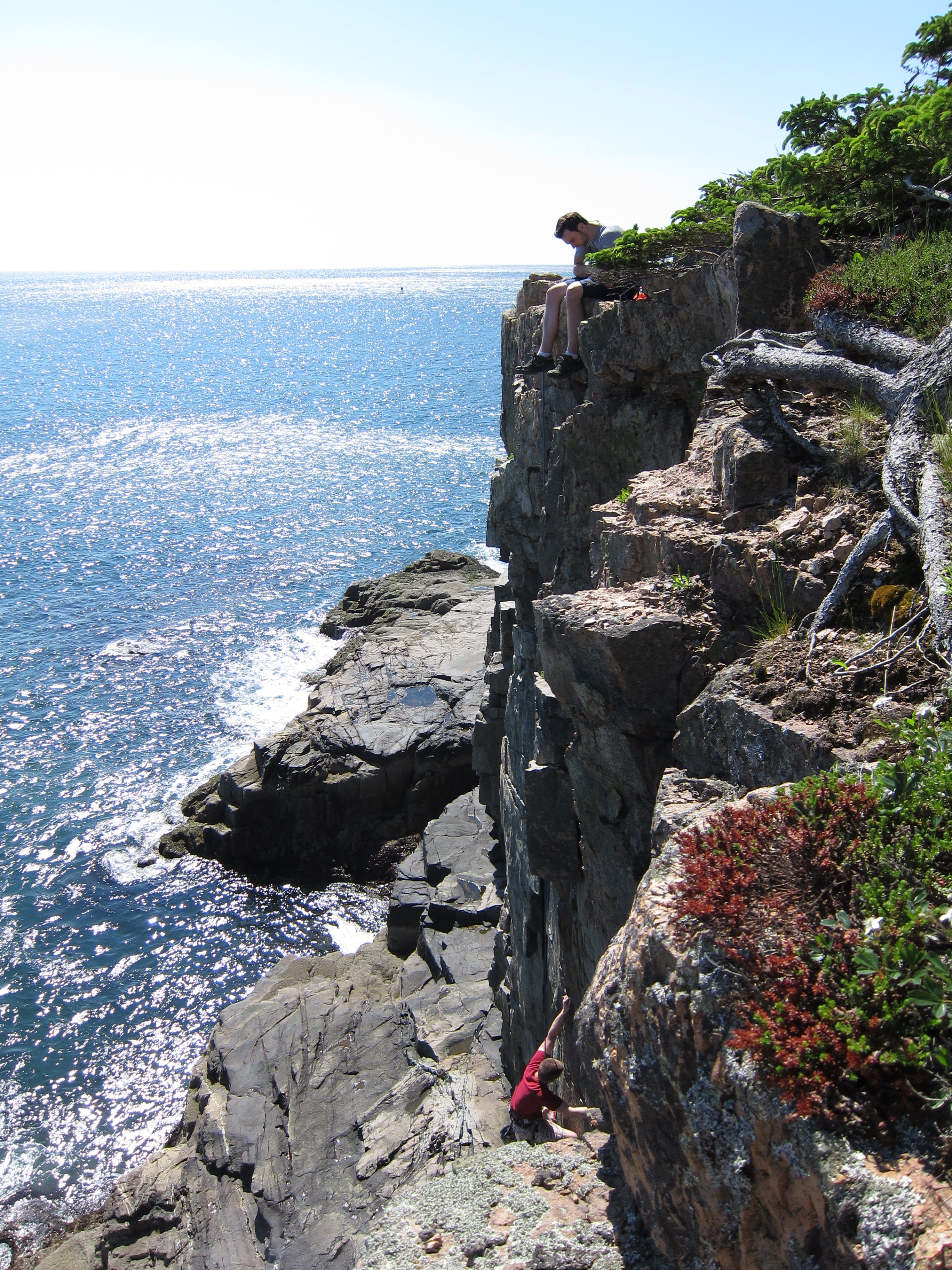
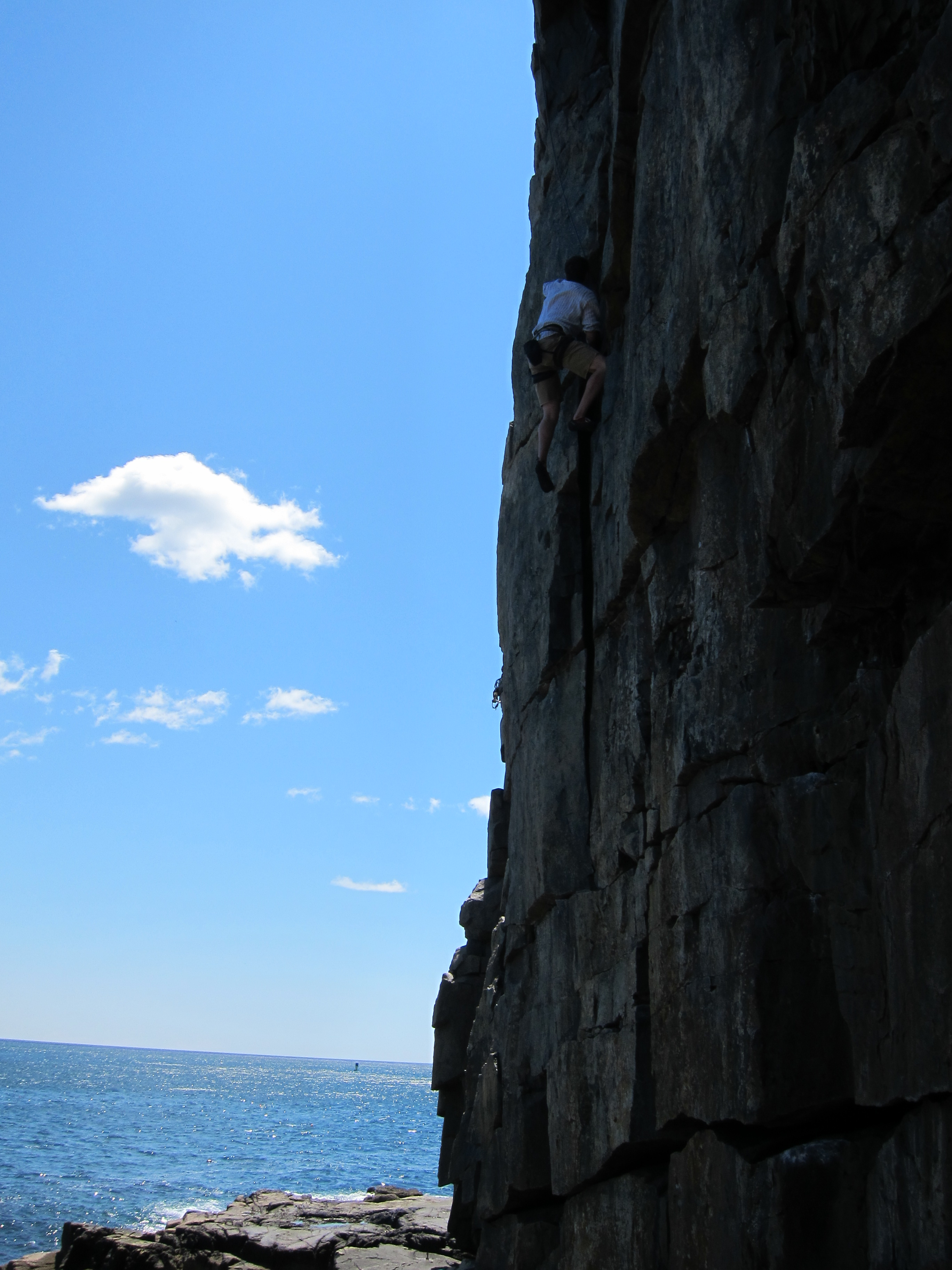
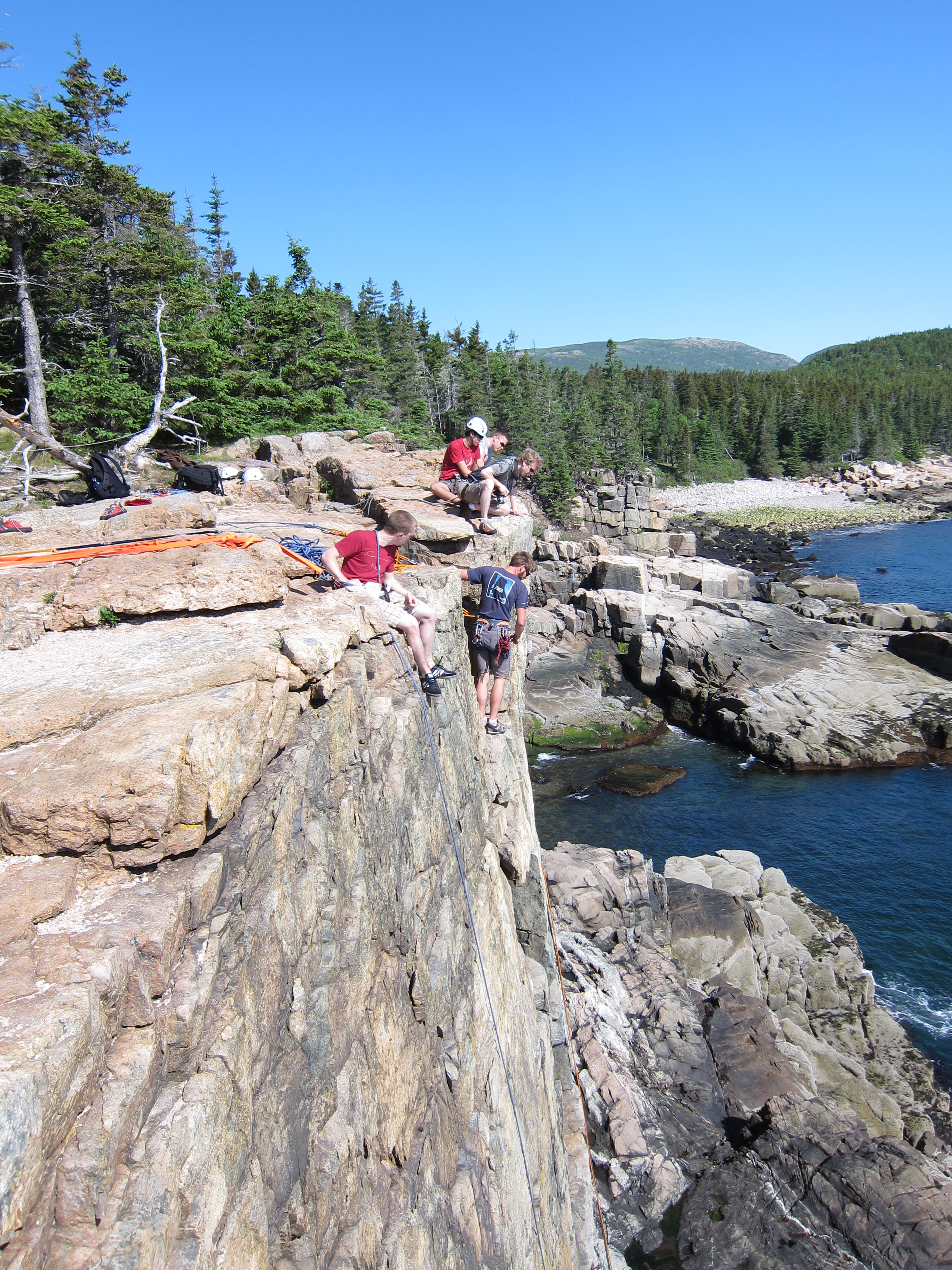
Sunday we got up early and hopped in the car to head to Otter Cliffs. There is tons of traditional climbing in Acadia, along with some spots to set up top rope anchors, but since neither Jon or I have the right anchoring gear yet, we were limited to the routes we had been at last year. Not that this was really a problem, since climbing over the ocean at Otter Cliffs is so cool.
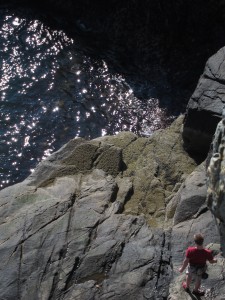
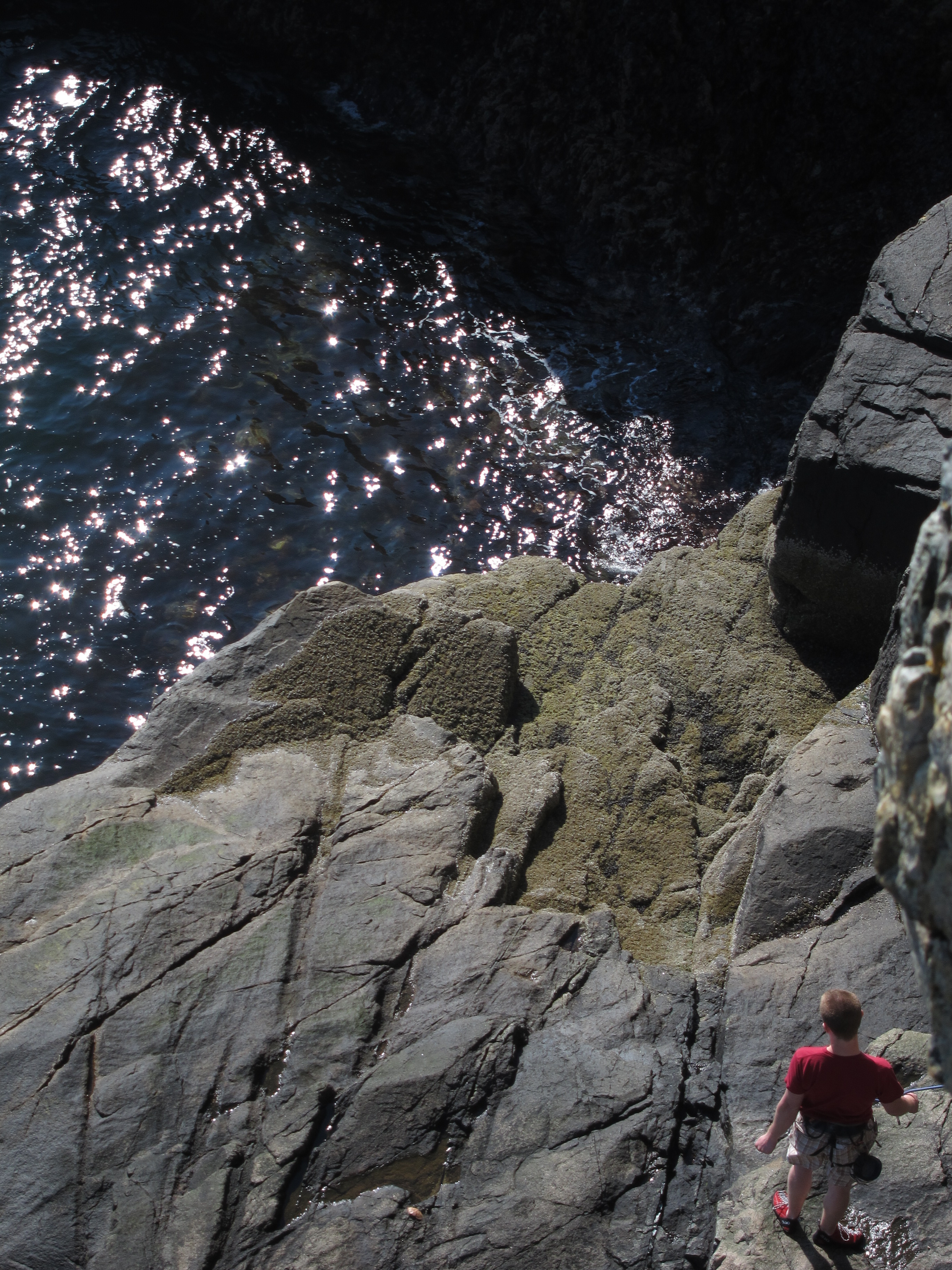
Sukes hanging out down by the water.
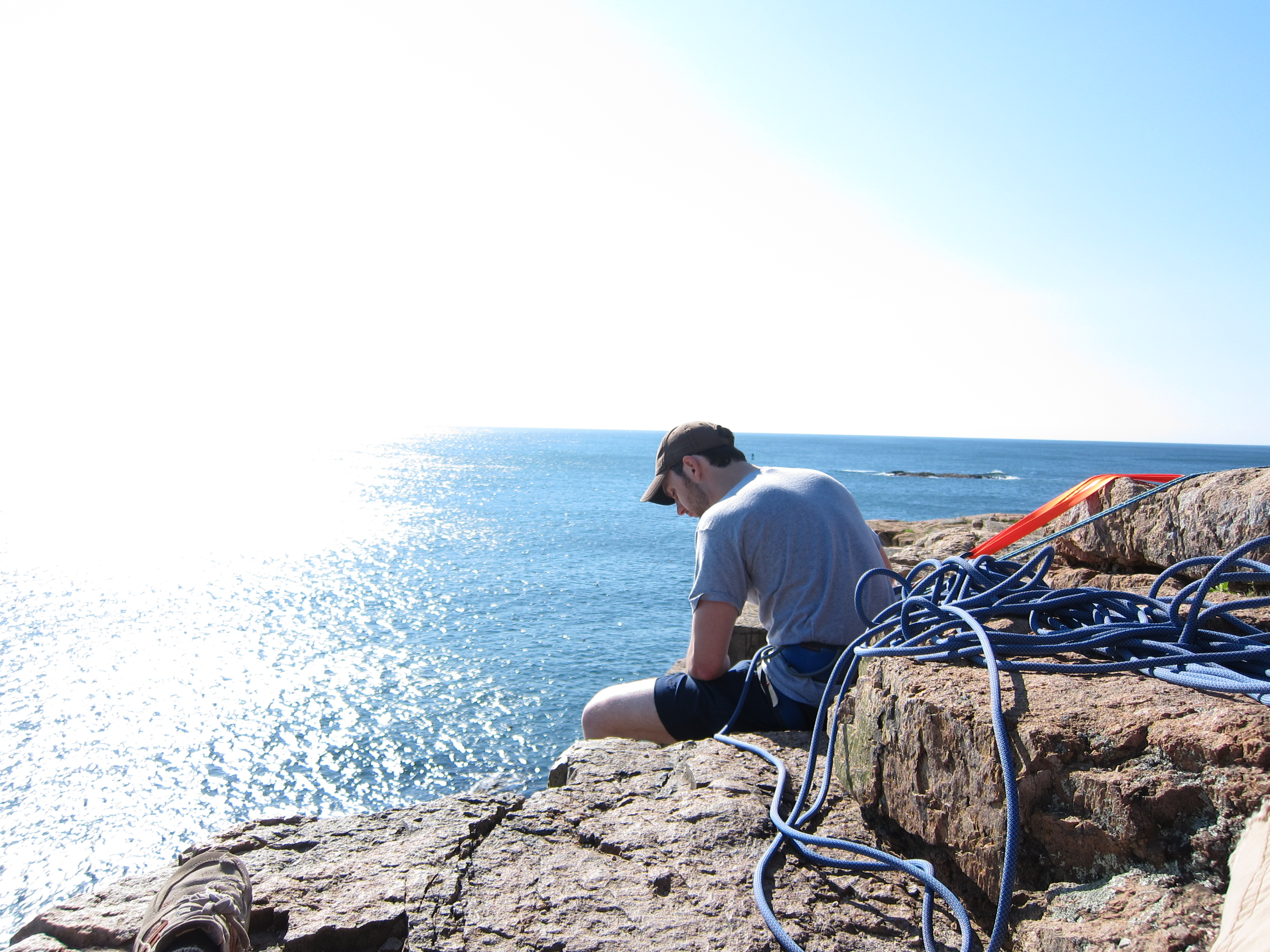
We were the first ones there, so we had our choice of routes. It had been awhile since we’d used a top managed belay, so we set on a 5.7 to make sure we had everything in order. Pretty much everyone belays from the top of the cliff, because it is safer, uses less rope, and to keep the ropes dry.
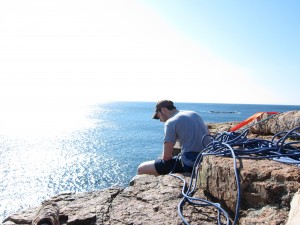
Me on belay
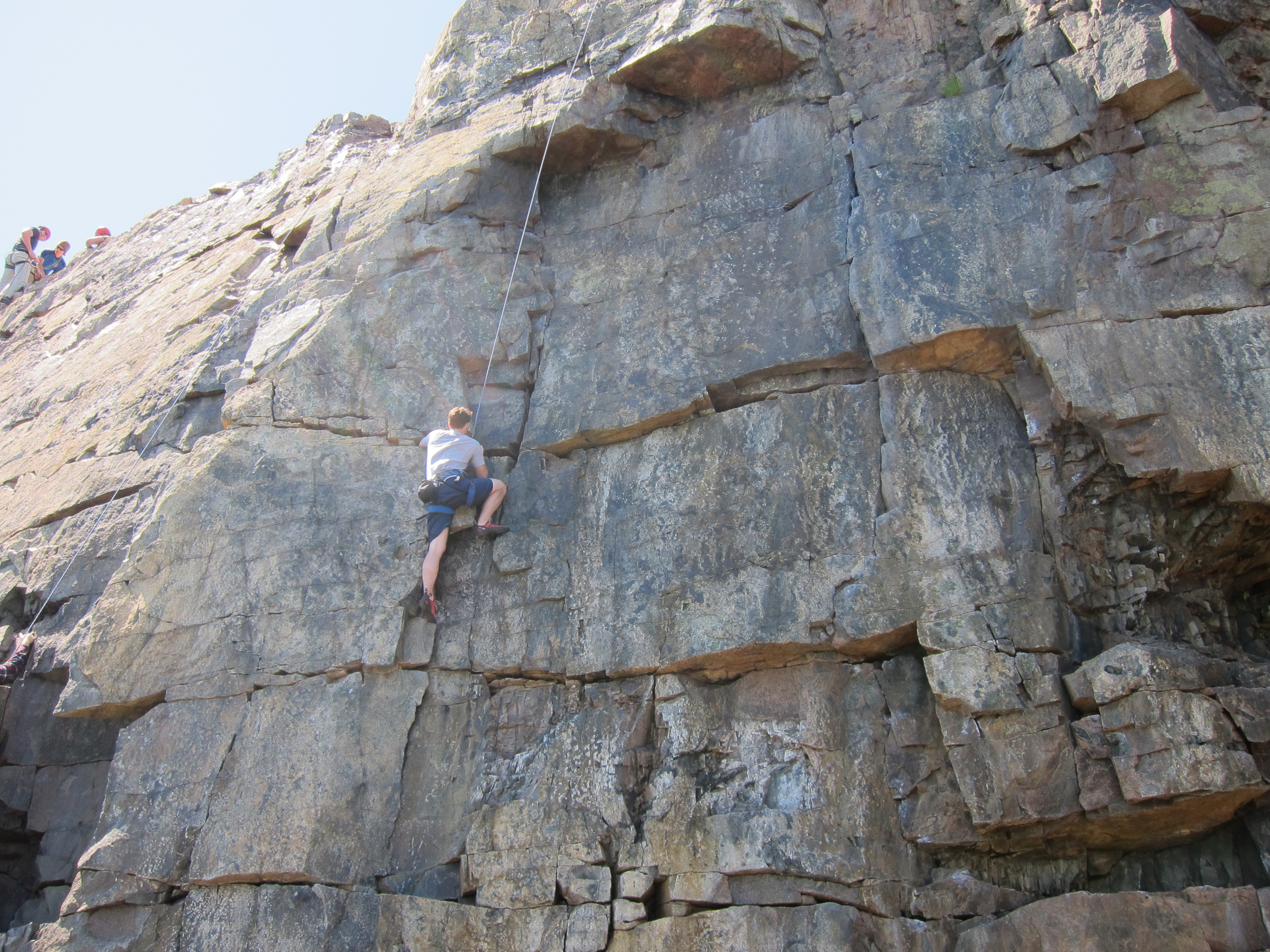
Eventually some guided groups showed up to climb the 5.4/5.5’s as we alternated climbing the route.
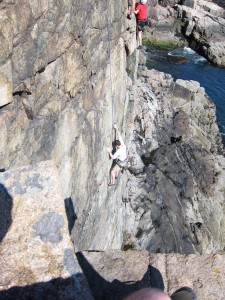
Julian making quick work of the cliff
It truly was a beautiful clear day, just like the last time we’d climbed the cliffs. The only thing was the wind was pretty strong. Eventually we moved our anchor over, letting Sukes have a go at a tricky 5.10d.
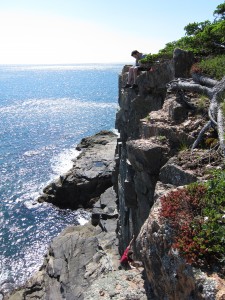
Jon, part way up the 5.10d
He gave it a great shot, but eventually I let him down and we moved over to “The Flake” a 5.7/5.10.
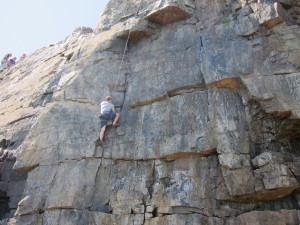
Me taking my time on the Flake
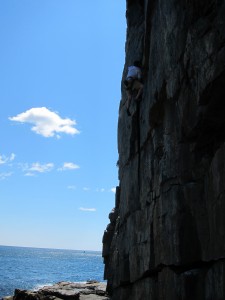
Julian, nearing the crux
I took my time–too much time–getting up to the roof, the crux of the route. I again pumped out, and went around it to the left, my only real disappointment. Julian and Jon climbed quickly and with a bit of searching, found the holds to get over the left side of the roof.
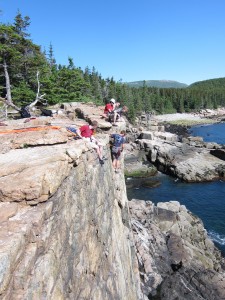
Sukes belaying next to a guided group of climbers.
We were worried about the Jeep still, so we headed out around noon to grab lunch, pack up and head back to Boston. Luckily the Jeep pulled through and we made good time getting back. All in all, it was a great weekend, and we’re already planning our next trip up there.